 Just in —
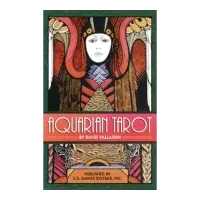


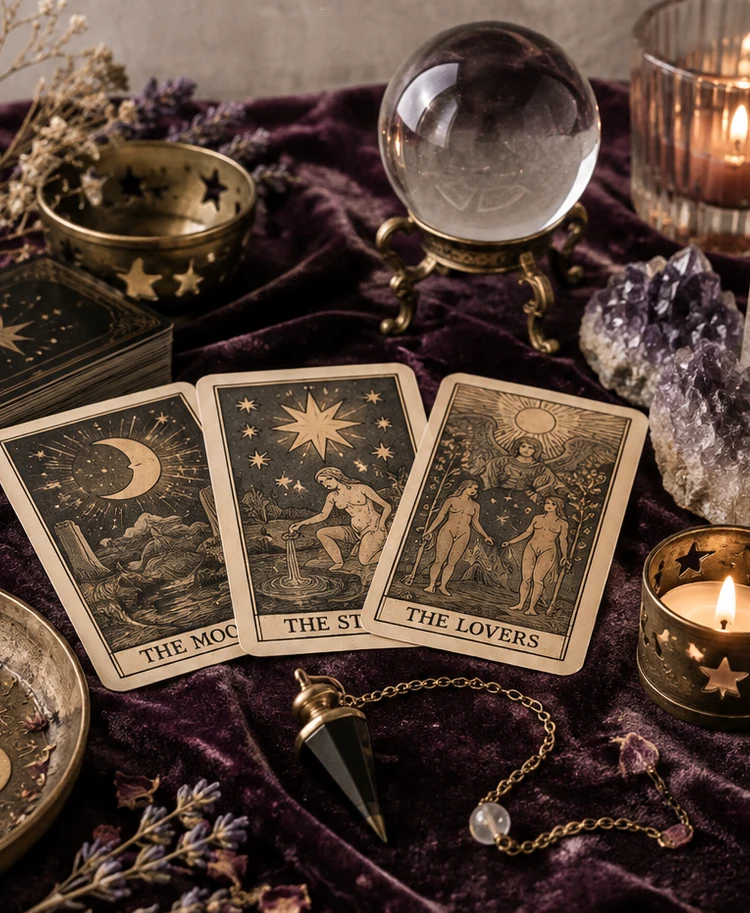
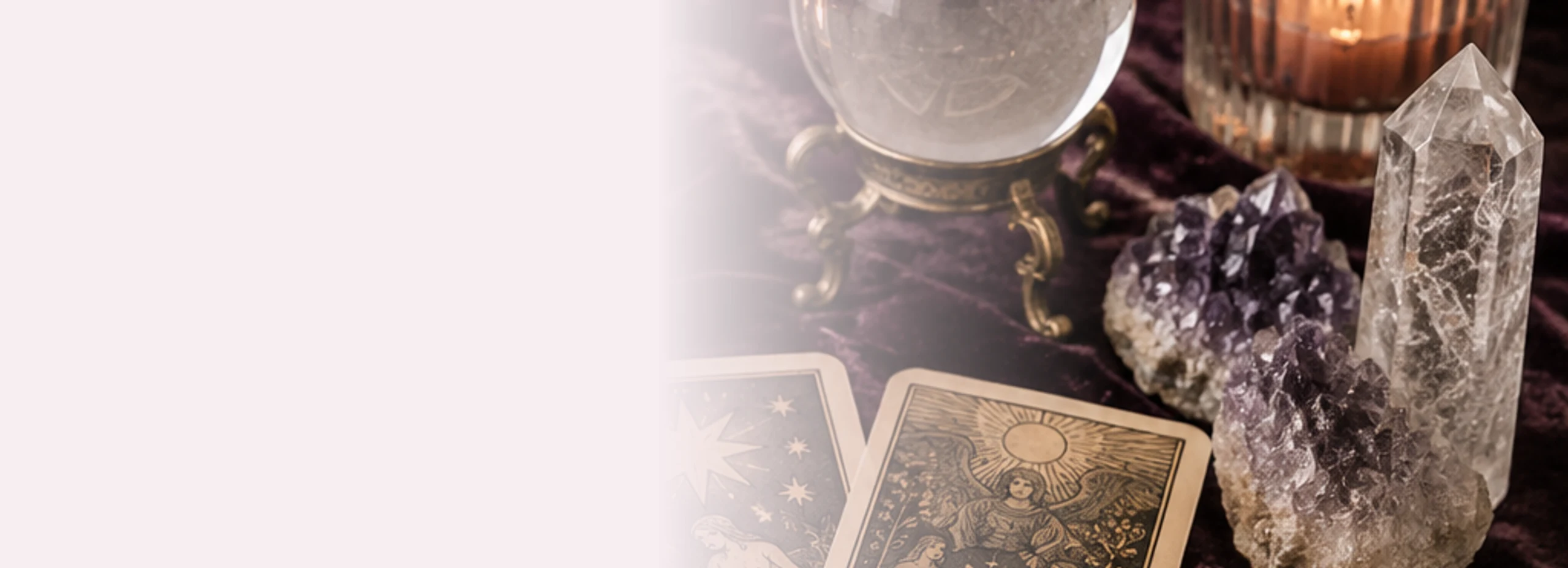
The old rule that your first deck has to be given to you is folklore, not tradition — it appears to date from the twentieth century and there is no reason to wait on it. Buy your own deck. Buy one you want to look at every day, because that is the deck you will actually learn.
How a deck is built
A tarot deck is 78 cards in two parts:
- The Major Arcana: 22 cards, numbered 0 to 21, from The Fool to The World. Large themes and turning points.
- The Minor Arcana: 56 cards in four suits — usually Wands, Cups, Swords and Pentacles — running Ace to Ten plus four court cards. Everyday texture.
Oracle decks are a different thing entirely. They have no fixed structure: any number of cards, any theme, whatever the creator chose. They are often beautiful and very easy to read intuitively, but a book about tarot will not help you with one. Know which you are buying.
The three traditions
Rider-Waite-Smith
Illustrated by Pamela Colman Smith in 1909, and the ancestor of the overwhelming majority of modern decks. Its distinguishing feature is that every card carries a scene, minors included — so the Eight of Cups shows a figure walking away from a stack of cups, and you can read something from the picture before you have memorised anything. That is why it is the standard recommendation for a first deck, and why nearly every beginner's book assumes it.
Thoth
Aleister Crowley and Lady Frieda Harris, painted in the 1940s. Dense, symbolically loaded, esoteric, and gorgeous. It rewards study and does not offer much to someone learning from the pictures alone.
Marseille
The older European pattern. Its minor cards are pip cards — the Eight of Cups is simply eight cups, no scene — which pushes you toward number and suit rather than imagery. Excellent tradition, harder first year.
What to look for in the physical deck
- Card size. Some art decks are large. If you cannot shuffle it comfortably, you will use it less.
- Card stock and finish. Thin cards crease; a matte or linen finish shuffles better than gloss.
- Borders and titles. Titled cards help while you are learning. Untitled art decks look better and slow you down.
- Reversible backs. Only matters if you intend to read reversals — an asymmetric back tells you which way a card is facing before you turn it.
- Does the imagery speak to you? Not a soft consideration. You will be looking at these pictures for hours.
Two spreads worth learning
One card
Draw one card in the morning. Write the card and one line about your reading of it. In the evening, add a line about how the day went. Do this for a month and you will know your deck better than any book could teach you — you are building associations from experience rather than memorising a list.
Three cards
The workhorse. The positions can be past / present / future, but more useful framings exist: situation / obstacle / advice, or what helps / what hinders / what I am not seeing. Decide what the positions mean before you draw, not after — deciding afterwards is how a reading becomes whatever you already wanted it to say.
The ten-card Celtic Cross is the famous one. Leave it alone for now; ten positions is a lot of interpretation to hold when every card is still new.
Reversals
Whether to read upside-down cards as having a modified meaning is entirely a matter of practice. Plenty of experienced readers do not. Starting upright-only halves what you have to learn, and reversals can be added later. Either way, be consistent within a reading.
Learning it
Read the little booklet once, then put it down and use the pictures. Keep a journal — the same one your altar uses is fine — and note the date, the question, the cards and your reading. Going back through it after six months is the single most instructive thing in tarot: you will find readings you got right for reasons you could not articulate at the time.
Do not try to memorise 78 meanings first. Nobody learned it that way.
Shop the guide
Decks, cloths and somewhere to write it down: