 Just in —



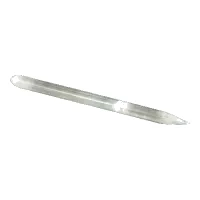
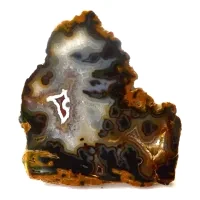
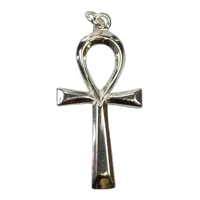
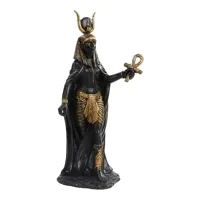

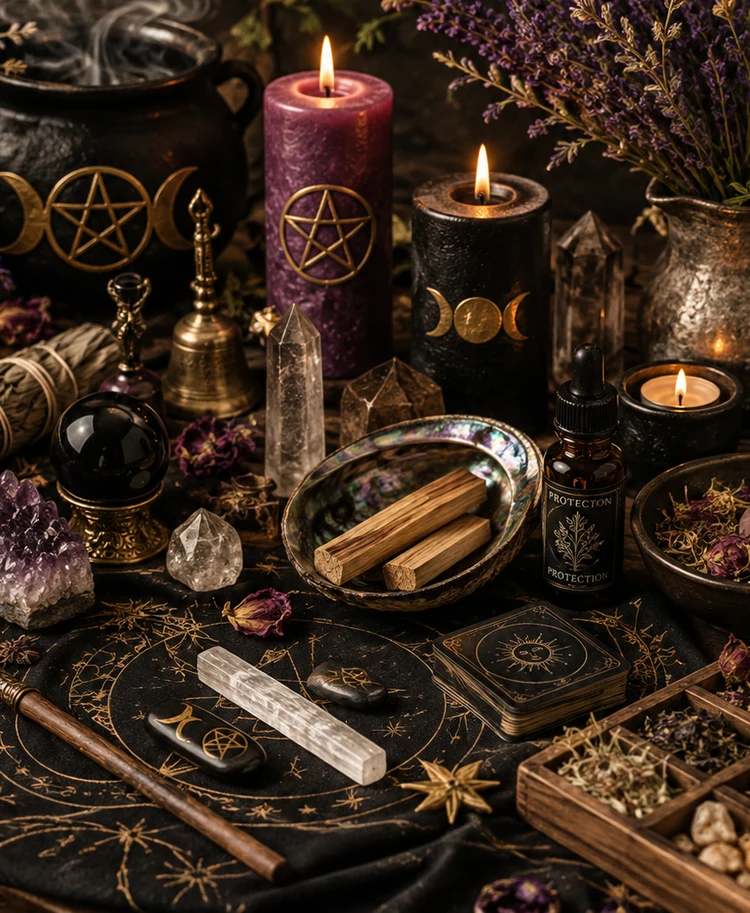

An altar is a surface you keep set aside for your practice. That is the whole of the requirement. It can be a shelf, a windowsill, the top of a chest of drawers, or a tray you slide under the bed when guests come round. What makes it an altar is that you have decided it is one.
Most people arrive at this asking what they need to buy. The honest answer is: less than you think, and probably not on the first visit.
Choose the surface first
Pick the spot before you pick the objects, because the spot decides everything else. Things worth weighing up:
- Can you leave it out? A permanent altar gathers habit around it. A portable one — a wooden box or a cloth-lined tray — works just as well if a permanent one is not practical.
- Is there anything above it, or beside it? A low shelf, a hanging plant, a wall hanging, a curtain that lifts when the window is open. This is the one that decides whether the spot is usable at all — see the caution below.
- Will you actually pass it? An altar in a spare room you enter twice a month will be used twice a month.
A cloth is the usual first purchase, and it does more than decorate: it defines the edge of the space, and it catches wax, ash and loose herbs so the furniture underneath does not.
Before you go further: open flame
An altar is the one surface in most homes where things are deliberately set alight and then left burning. Fire is the easiest of the four to invite in and by far the hardest to take back, and altar fires almost never start with the candle itself — they start with something nobody had thought of as flammable, sitting a little too close to it.
- Look up before you commit to the spot. A flame wants clear air well above it — more than you would guess, and more again for a group of candles or a charcoal burner. A shelf, a hanging plant, a tapestry or a curtain that moves in a draught all rule a surface out. So does a draught on its own: an open window near a lit altar moves the flame and can pull light fabric into it.
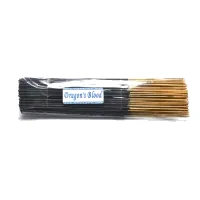
- Dried plant matter is kindling. Sage bundles, loose herbs, dried flowers, a bundle of incense sticks — they are on almost every altar, and they catch far faster than people expect. Keep them at the opposite end of the surface from anything lit, not beside it for the photograph.
- The surface is not fireproof and neither is the cloth. Bare wood scorches, varnish blisters, and a cloth is simply fuel with a wick sitting on it. Everything that burns wants a heatproof plate, tile or dish underneath — on the cloth, not instead of it.
- Charcoal is the real hazard, not the candle. A self-igniting disc for resin reaches several hundred degrees and stays dangerous long after it looks like cold grey ash. It belongs in a sand-filled or cast burner and nowhere else — never straight onto wood, a plate, or a shell.
- Do not leave the room, and put it out before you do. Snuff candles rather than blowing them, and quench a charcoal disc under the tap rather than trusting it to go out on its own. The dangerous flame is never the one you are watching.
- If pets or children can reach the surface, assume they will — a cat will walk through a lit altar, and a tail passing over a flame is quicker than you can move.
None of this argues against candles. It argues for choosing a spot where you can use them without thinking about it — which is the whole reason to settle the surface before you buy anything to put on it. And on a day when you cannot sit with a lit flame, a battery candle on the altar is not a failure of the practice; an unattended one is.
The four elements as a starting layout
Many traditions arrange an altar around the four classical elements. It is not a rule, but it is a genuinely useful scaffold when you are staring at an empty surface, because it tells you how many things you need — four — and what each one is for.
- Earth — a stone, a dish of salt, a pot of soil, a pentacle tile.
- Air — incense, a feather, a bell.
- Fire — a candle. Almost always a candle.
- Water — a small bowl or cup. It does not need to stay filled.
Traditionally these sit at the compass points, with earth to the north and the rest running clockwise. If you do not know which way your room faces, put them where they look right to you and move them later. Nothing breaks.
What a starter altar actually holds
Beyond the four elements, a workable first set is small:
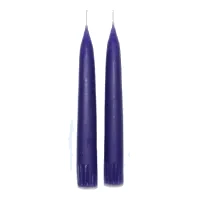
- Two candles and holders. Chime candles burn down in an hour or two, which suits a short sitting; pillars and jars suit a surface you come back to.
- An incense burner suited to your incense. Sticks, cones and resin all want different vessels — see Choosing and Burning Incense.
- A heatproof dish. For ash, for charcoal, for anything that turns out to be hotter than expected. A shell or a cast dish both work.
- One or two stones you like the look of.
- A notebook. Underrated. What you did and what you noticed is the only record you will have.
A statue, a bell, a chalice, a wand, a scrying mirror — these are all traditional, and none of them are required to begin. Add them when you know what you want them for.
Arranging it
Work from the back forward. Tall things — statuary, candlesticks, a framed image — go at the back where they will not be knocked reaching past. The centre stays clear: that is your working space, and an altar with no room to work on it quietly stops being used. Small tools sit to the front where your hands fall.
Leave more empty surface than feels natural. It is the most common thing people wish they had done.
Keeping it
Wipe it down. Change the water. Sweep the ash. Retire the candle stubs. Tending the surface is not the boring part around the practice — for a lot of people it turns out to be the practice, or at least the way into it on days when nothing else comes.
Seasonal altars get swapped out several times a year; permanent ones accrete. Both are fine. What matters is that it does not become a shelf of dusty objects you have stopped seeing.
Shop the guide
Everything above, by department: