 Just in —




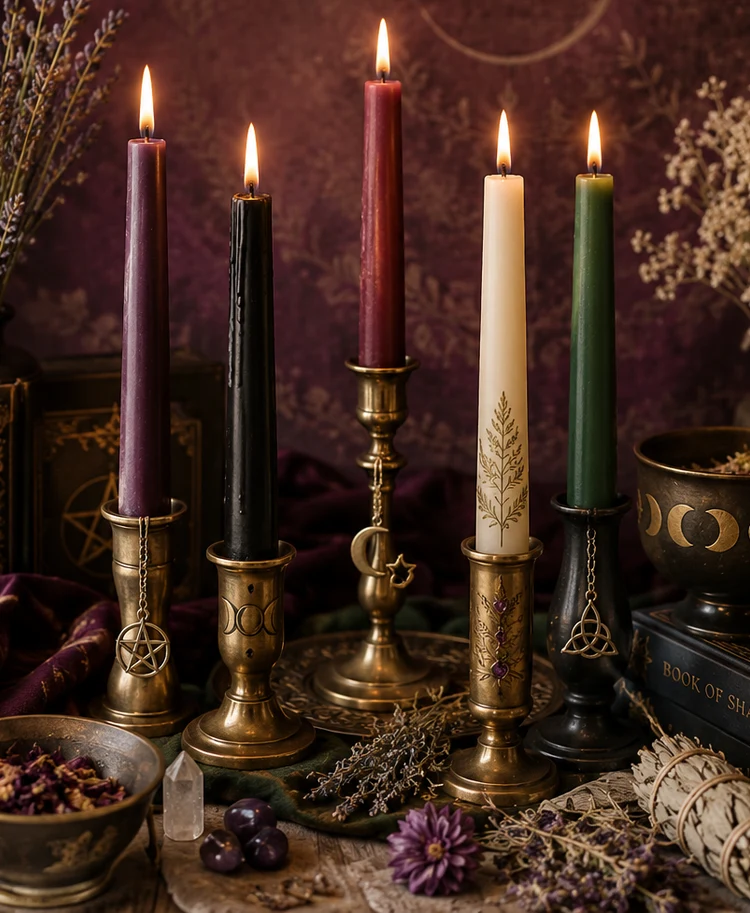

Candles are the one thing on nearly every altar, and the two questions that come up are always the same: which colour, and which shape. The second one matters more than people expect.
Shapes and burn times
- Chime or spell candles — roughly 4 inches, thin, burning 1½ to 2 hours. Made to be burned all the way down in a single sitting, which is exactly what a lot of candle work asks for. They need their own narrow holders.
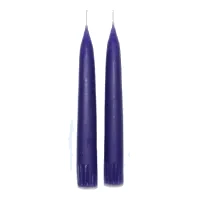
- Tapers — 6 to 12 inches, 3 to 10 hours. The classic altar pair. Need a stable candlestick; they are top-heavy.
- Votives — short and stout, 10 to 15 hours. They are designed to liquefy completely, so they must burn inside a glass or metal cup, not on a plate.
- Pillars — free-standing, 30 hours upward depending on diameter. Want a wide heatproof plate underneath.
- Tealights — 3 to 5 hours in their own metal cup. The most forgiving option, and the right one under an oil burner.
- Jar candles — long-burning and self-contained. The safest around pets and children, since the flame sits below the rim.
Traditional colour correspondences
These associations are traditional and they vary between traditions — the list below is the common Western one, and you will find sources that disagree with any given line of it. They are conventions for focusing intent, not properties of the wax.
- White — purity, clarity, a general-purpose substitute for any other colour.
- Black — banishing, protection, absorbing and releasing.
- Red — vitality, courage, passion.
- Pink — affection, friendship, self-regard.
- Orange — ambition, creativity, momentum.
- Yellow — intellect, communication, confidence.
- Green — growth, prosperity, the natural world.
- Blue — calm, truth, healing in the traditional sense.
- Purple — intuition, psychic work, authority.
- Brown — grounding, home, animals.
- Silver — the moon, reflection, the feminine principle.
- Gold — the sun, success, the masculine principle.
If you own one colour, own white. It stands in for everything.
Dressing a candle
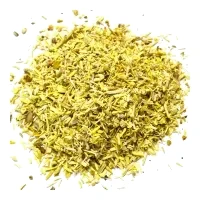
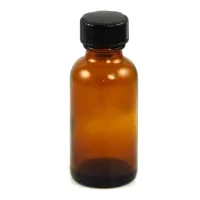
Dressing means anointing a candle with oil, and sometimes rolling it in dried herbs, before lighting it. The conventional method:
- Choose an oil. A single drop is enough for a chime candle.
- Rub it along the candle with your fingers. The usual instruction is from the centre outward to the ends to draw something toward you, and from the ends inward to the centre to send something away — traditions differ, so follow the one you are working in.
- If you are adding herbs, use a very light dusting and keep them off the wick.
- Wipe the oil off your hands before you strike a match.
Dressed candles, and open flame generally
A dressed candle is a candle with extra fuel stuck to the outside of it. Oil and dry plant matter both burn, herbs can flare, and a heavily dressed candle will throw a noticeably larger flame than a bare one. That is the moment most people are surprised by, so it is worth knowing before you strike the match rather than after.
- Dress it lightly. A single drop of oil is enough for a chime candle, herbs go on as a very light dusting and never on the wick, and the oil comes off your hands before you reach for a match.
- Match the holder to the shape. Votives liquefy completely and have to burn inside a cup, never on a plate; tapers are top-heavy and want a stable stick; pillars want a wide heatproof plate. The wrong holder is how wax ends up on the furniture and a flame ends up somewhere it should not be.
- Heatproof underneath, clear air above. Nothing overhanging the flame: a shelf, a curtain, dried flowers, a trailing plant. A dressed candle needs more clearance than a bare one, not less.
- Stop at about half an inch of wax. Below that the flame is close enough to heat the holder itself, and glass can crack while the candle is still lit.
- Never leave one burning, and never with pets or children in the room. Put it out before you go, every time, including for the minute you were only going to be gone.
Candles are the most ordinary object on an altar and the only one that is actively alight. All of the above takes about thirty seconds to set up, and then it does not have to be thought about again.
Burning them well
- Trim the wick to about ¼ inch before each lighting. An untrimmed wick mushrooms, smokes and soots the glass.
- Give a container or pillar candle a full first burn. Wax has a memory: if the first burn does not reach the edge, it will tunnel down the middle for the rest of its life.
- Snuff rather than blow. Less smoke, less spattered wax, and in most traditions blowing out a working candle is discouraged in any case.
Shop the guide
Candles, holders and the oils to dress them with: