 Just in —





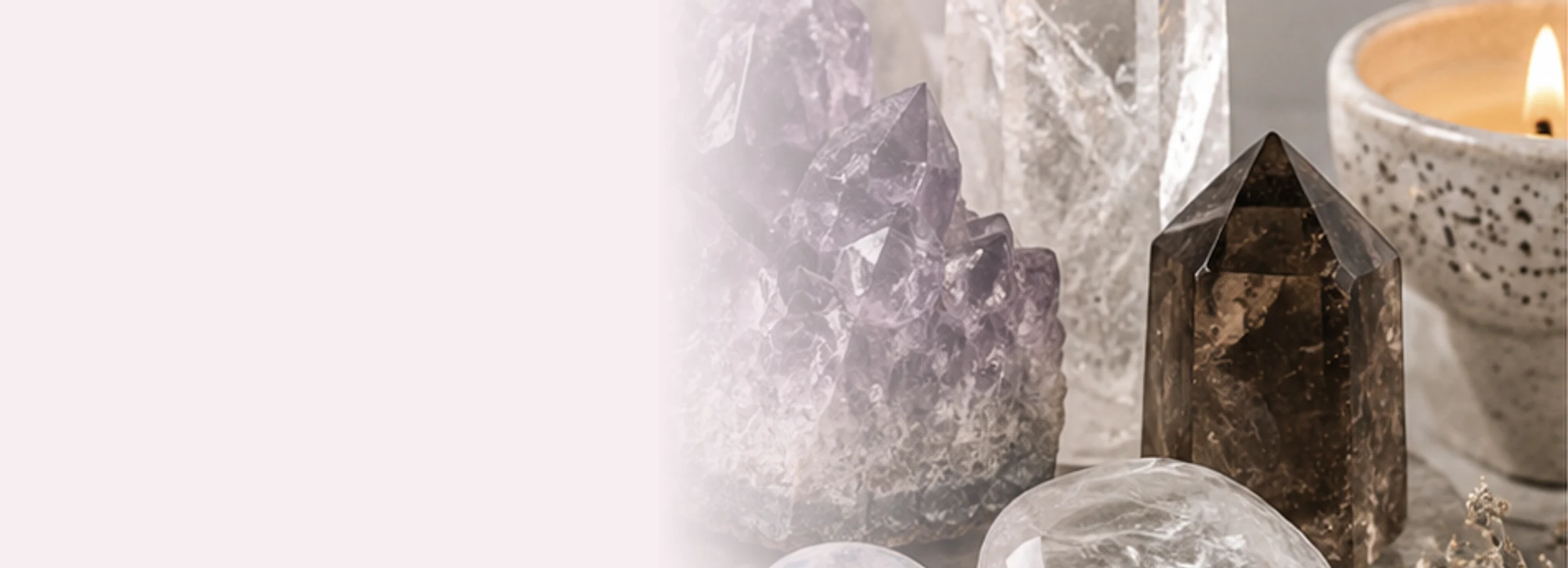
Most advice about crystals concerns what they are said to do. This guide is about the other half — keeping them intact. Stones are minerals with real physical properties, and a fair number of the popular ones are damaged by exactly the care routines passed around most often.
Stones that should not go in water
Water is the default cleaning method everywhere, and it ruins several common stones. Keep these dry:
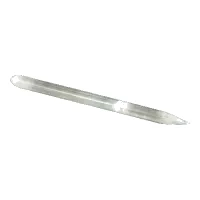
- Selenite, satin spar and desert rose — gypsum. Soft enough to scratch with a fingernail, and soluble: prolonged water leaves the surface pitted and chalky.
- Halite — rock salt. It will simply dissolve.
- Malachite and azurite — copper carbonates. Water degrades the polish, and the dust is not something to handle casually. Wipe only.
- Pyrite and hematite — iron content. They rust.
- Lapis lazuli, turquoise and angelite — porous, and often stabilised or dyed. Water pulls colour and works into the stone.
- Anything strung, glued or set — the adhesive gives out long before the stone does.
For all of these: a dry cloth, or a barely damp one followed immediately by a dry one. Never salt water — salt is abrasive and finds every crack.
Stones that fade in sunlight
Leaving stones on a sunny windowsill is common advice and it is how a lot of collections quietly lose their colour. UV bleaches:
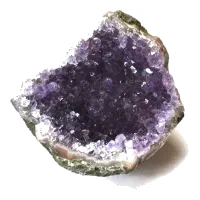
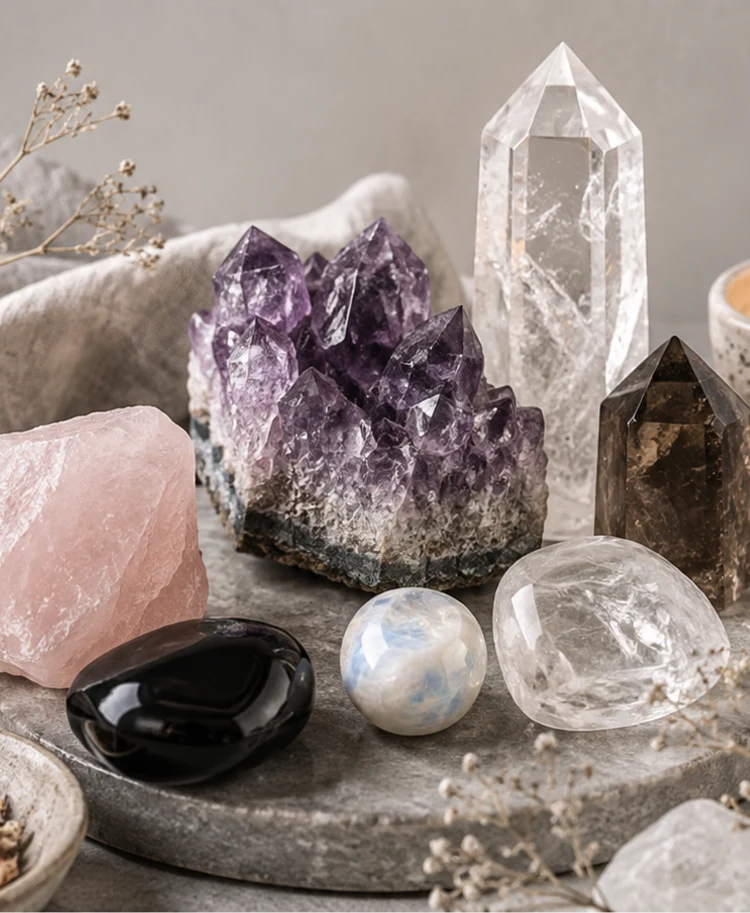
- Amethyst — goes grey, then nearly clear. This is irreversible.
- Rose quartz — pales to near-white.
- Fluorite — loses its purple and green banding.
- Citrine, smoky quartz, celestite, kunzite, apatite — all light-sensitive to some degree.
Direct sun also thermally shocks anything with an internal fracture: a clear quartz point with a rainbow inclusion left in a hot window can split along it. Moonlight, indirect daylight or a shaded shelf carry none of these risks — which is presumably part of why moonlight became the traditional choice.
Physical handling
Hardness is measured on the Mohs scale, 1 to 10, and a harder stone scratches a softer one. Quartz sits at 7; ordinary household dust is largely quartz, which is why anything softer than 7 — fluorite at 4, calcite at 3, selenite at 2 — dulls if it is wiped dry with a gritty cloth or stored jumbled in a bag together.
- Store softer stones separately, wrapped, or in a lined compartment box.
- Clusters and points are fragile at the tips. Lift a cluster by its base, never by a point.
- Tumbled stones are the exception to all of this. They are polished, robust, and the right thing to start a collection with.
Cleansing and charging
Traditional methods, listed without any claim about what they achieve — that part is yours to decide:
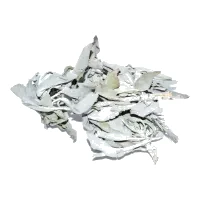
- Smoke — incense or dried herbs. Safe for every stone.
- Sound — a bell or a singing bowl. Also safe for everything.
- Moonlight — overnight on a sill. Safe, and no UV.
- Earth — buried for a night or a cycle. Fine for hard stones; not for anything porous or water-soluble.
- Dry salt bed — commonly recommended, but abrasive on soft stones and corrosive to settings. Use a dish of dry rice or a bed of ash instead if you want the same idea without the damage.
One thing worth saying plainly: crystals are not medicine. Nothing here — and nothing in the traditional associations you will find attached to individual stones — is a treatment for any physical or mental health condition, and none of it should be used in place of medical care.
A note on buying
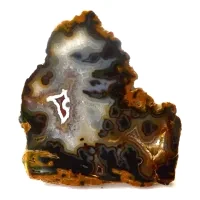
Dyed agate, heat-treated citrine (most citrine on the market is heated amethyst), reconstituted turquoise and glass sold as obsidian are all common in the trade and not always disclosed. None of it makes a piece worthless — a treated stone is still a stone — but it is worth knowing what you have, particularly before you put it in water.
Shop the guide
Stones and the things that keep them safe: